What defines a digital luxury publication?
Luxury has always been about more than price tags. It is about craftsmanship, rarity, and a certain feeling of belonging to an exclusive world. A digital luxury publication aims to translate that same sensibility onto screens. Instead of glossy paper and heavy bindings, it uses interactive layout, high-resolution imagery, and carefully curated multimedia content to create an experience that feels both opulent and intimate. The reader is not just consuming information; they are stepping into a curated environment that reflects the values of high-end design and refined taste.
At its core, a digital luxury publication is an online edition of a lifestyle magazine that serves an audience with a deep appreciation for designer fashion, fine jewellery, luxury accessories, vintage wine, boats, and high-end shopping. It is not a blog that churns out daily deals or fast fashion news. It is a deliberate, slow-burn editorial product where every article, every photograph, and every layout decision is made with the same care a jeweller applies to setting a stone. The publication becomes a trusted guide, a source of inspiration, and a marker of cultural knowledge for its readers.
How does it differ from a traditional print magazine?
The most obvious difference is the medium. Print magazines are static; they are printed once and cannot be updated. A digital publication, on the other hand, lives in a state of constant refinement. Articles can be updated with new information, images can be swapped, and the entire archive remains searchable. For a luxury audience, this means access to a living library of style, culture, and market intelligence that never goes out of date.
Another key distinction is the level of interactivity. In print, a reader can only turn pages. In a digital luxury publication, they can zoom into the stitching on a handbag, watch a video of a watchmaker at work, or click through a gallery of a vintage yacht interior. This multimedia content deepens the storytelling. It allows the publication to show, not just tell, why a particular piece of craftsmanship matters. The reader can engage with the content on their own terms, spending more time on the details that fascinate them and skimming past what does not.
Social media integration also plays a major role. A well-produced digital publication does not exist in a vacuum. It shares snippets, behind-the-scenes content, and editor's picks across platforms where its audience already spends time. This creates a conversation around the brand and the stories it tells. Readers can comment, share, and even influence future editorial direction. That feedback loop is something print could never offer.
What makes the design and layout different?
Responsive design is non-negotiable. A digital luxury publication must look flawless whether it is viewed on a 27-inch monitor, a tablet propped on a coffee table, or a smartphone during a commute. The layout adapts fluidly, but the sense of luxury must not be lost in the translation. That means careful typography, generous white space, and images that are optimised for retina displays without sacrificing load speed.

Interactive layout goes beyond simple responsiveness. It can include parallax scrolling effects, full-screen video backgrounds, and animated infographics that explain complex topics like the provenance of a rare wine or the engineering of a limited-edition timepiece. These elements are not just decorative; they serve the story. A well-executed interactive feature can make the reader feel as though they are inside the atelier or walking the deck of a superyacht.
Navigation in a digital luxury publication is also different from a standard website. The menu is often minimalist, with categories like "Fashion," "Jewellery," "Watches," "Wine," and "Travel." There is no clutter. The focus is on letting the content breathe. Search functionality is robust, allowing readers to find specific designers, brands, or topics across the entire digital archive. Some publications even offer a personalised reading list based on past behaviour, a feature that feels like a private concierge service.
How does the subscription model work?
Most digital luxury publications operate on a subscription model. Readers pay a recurring fee, often monthly or annually, to access the full range of content. This model aligns with the values of exclusivity and quality. It ensures that the publication can invest in top-tier writers, photographers, and designers without relying on intrusive advertising or clickbait tactics.
Subscriptions often come with tiered benefits. A basic tier might grant access to the current issue and a limited archive. A premium tier could include exclusive video content, invitations to virtual events, early access to limited-edition collaborations, and even direct e-commerce links to purchase featured items. The e-commerce links are handled carefully; they are not aggressive pop-ups but subtle, editorial recommendations that feel like advice from a trusted friend. The reader can buy a featured handbag or book a wine tasting experience without leaving the publication's ecosystem.
For the publisher, the subscription model provides predictable revenue and a direct relationship with the audience. For the reader, it removes the annoyance of banner ads and pop-ups. The experience stays clean, fast, and focused on the content.
What role does a digital archive play?
A digital archive is one of the most valuable assets a luxury publication can offer. In print, back issues pile up in attics or are thrown away. In digital, every past article remains accessible. A reader researching the history of a particular jewellery house or looking for a vintage wine recommendation from three years ago can find it in seconds. This turns the publication into a reference library, not just a monthly read.
The archive also helps build authority. Over time, a digital luxury publication accumulates a body of work that covers the evolution of taste, market trends, and the stories behind iconic brands. For a site like chichotclub.com, this depth of content reinforces its position as a go-to resource for the ultra-luxury lifestyle. Readers come for the latest story and stay for the wealth of knowledge stored in the archives.
Maintaining a digital archive requires careful tagging, metadata, and search optimisation. Each article needs to be categorised by brand, designer, material, style, and occasion. This makes the archive usable and ensures that readers can discover related content they might not have found otherwise.

How does multimedia content change the reading experience?
Multimedia content is what separates a digital luxury publication from a simple PDF of a print magazine. Video interviews with designers, 360-degree views of jewellery pieces, and audio guides to wine regions add layers of context that text alone cannot convey. A reader can watch a master jeweller explain the art of setting a diamond, then immediately zoom into the same technique on a featured piece. This kind of deep engagement builds appreciation and trust.
Audio content is also growing in popularity. Some luxury publications offer narrated versions of their long-form articles, allowing readers to listen while commuting or relaxing. This expands the reach of the content without diluting its quality. The narration is done by professional voice actors, not synthetic voices, preserving the tone of elegance.
Interactive features like quizzes and style calculators can also be part of the multimedia mix. A quiz that helps a reader identify their personal jewellery style, for example, is both entertaining and useful. It guides the reader toward products and articles that match their taste, creating a more personalised experience.
What about social media integration?
Social media integration is not about chasing likes. It is about extending the publication's voice into the spaces where its audience already gathers. A digital luxury publication will have a carefully managed presence on Instagram, Pinterest, and perhaps a private members' group on a platform like Vero or Telegram. The content shared there is not a copy of the website; it is original, curated content that teases the full article and invites conversation.
For example, a feature on vintage wine might be accompanied by an Instagram Reel showing the winemaker's hands working the vines. A jewellery story might be previewed with a carousel of close-up shots that highlight the craftsmanship. These snippets drive traffic back to the publication while building a community around the brand.
Social media also serves as a feedback mechanism. Readers can comment, ask questions, and suggest topics. The editorial team can use this input to shape future content, making the publication feel responsive and alive. This two-way communication is a luxury in itself, one that print could never provide.
How do e-commerce links fit into the editorial experience?
E-commerce links are a natural extension of a luxury publication's role as a curator. When an article features a specific designer handbag or a limited-edition watch, it makes sense to let the reader know where they can buy it. The key is to do this in a way that feels editorial, not commercial. The link is presented as a convenience, not a hard sell.
Many digital luxury publications partner with high-end retailers or directly with brands to offer exclusive purchasing options. The reader clicks through to a product page that matches the editorial tone. Some publications even offer a white-glove concierge service where a reader can ask for help finding a specific item. This blurs the line between media and retail in a way that feels seamless and luxurious.
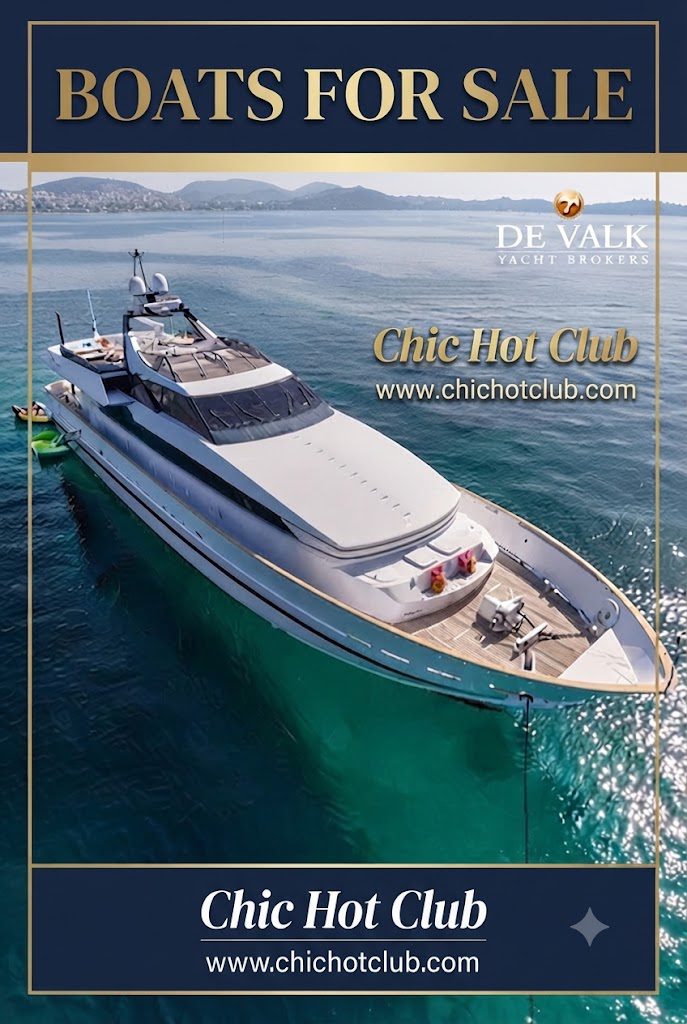
For the publisher, e-commerce links can be a revenue stream through affiliate commissions or direct partnerships. But the editorial integrity must come first. A reader should never feel pressured to buy. The link is there if they want it, but the article itself must stand on its own as a piece of quality journalism.
What should a reader look for in a digital luxury publication?
A reader should look for consistency in quality. The photography should be stunning, the writing should be insightful, and the design should be elegant. The publication should have a clear point of view, not just a collection of press releases. It should cover topics that matter to its audience, from the launch of a new watch collection to the history of a legendary vineyard.
Another sign of a good digital luxury publication is the depth of its digital archive. A publication that has been around for a few years and has a well-organised archive is likely a serious operation. The subscription model should be transparent, with clear tiers and no hidden fees. And the multimedia content should enhance the story, not distract from it.
Finally, the publication should feel like a community. Whether through social media integration, comment sections, or exclusive events, the reader should feel that they are part of something exclusive. A digital luxury publication is not just a website; it is a destination for those who appreciate the finer things in life. For those seeking a curated experience that combines editorial excellence with a deep understanding of luxury, chichotclub.com offers a compelling example of what this medium can achieve.